Canada has the potential to be a global leader in energy but getting there will require smart decision-making at a national level. One of the most important issues is how we treat our domestic natural gas advantage.
In many western European countries, governments have sidelined natural gas in favour of taxpayer subsidized electrification and heat pumps. For many, this shift has led to higher costs, fragile energy systems, and in some cases, widespread blackouts. Europe’s growing energy crisis, accelerated by the Russia-Ukraine war, shows how policy overreach, political uncertainty, dependence on imports, and unreliable backups can leave countries vulnerable.
In this post, we’ll explore:
- What went wrong in Europe
- How Canada’s natural gas system gives us an edge
- What’s at stake
- How Canadians can help protect our natural gas advantage
Europe’s energy crisis: A warning for Canada
Over the past decade, many European countries have pursued aggressive policies to replace fossil fuels with renewable electricity. In the process, they closed nuclear plants that had been providing reliable, low-emission energy and replaced end use energy with electricity rather than natural gas. On paper, the shift looked ambitious and progressive. In practice, it created vulnerabilities that were exposed as soon as the Russia-Ukraine war began.
When Russian natural gas imports were cut off, Europe found itself short on reliable supply. With nuclear power sidelined and renewables unable to cover peak demand, countries were forced to scramble for energy. Some leaned heavily on imports to keep the lights on, while others pushed to expand renewable electricity and battery storage even faster. Neither approach was enough to prevent major disruptions.
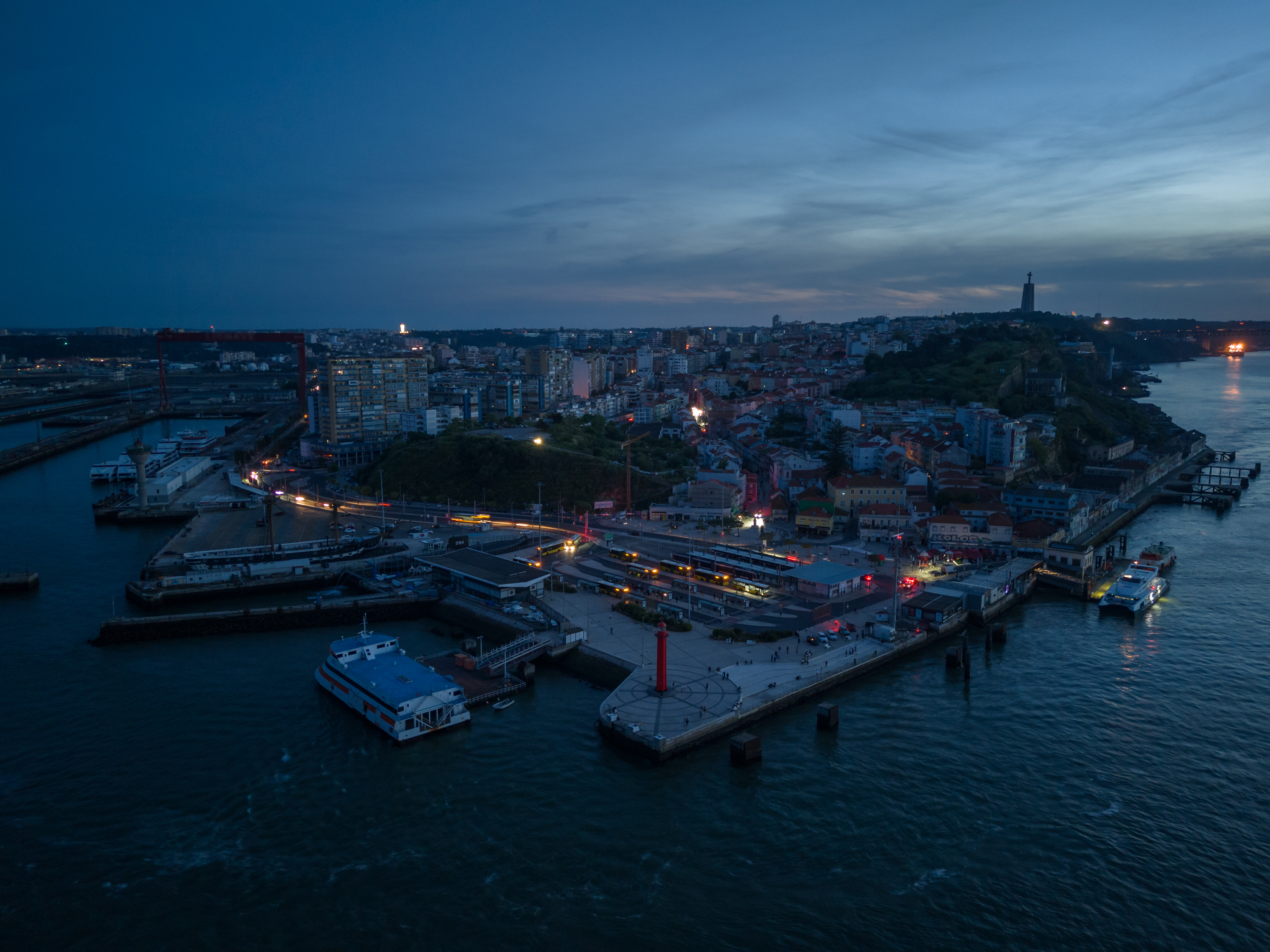
Spain and Portugal blackout: In April 2025, more than 55 million people lost power for over half a day. With more than 80 percent of their electricity coming from wind and solar, the grid collapsed when supply dropped suddenly. The outage stranded travellers, shut down subways and traffic systems, and caused nearly €4.5 billion in economic losses in a single day.
Attacks on Ukraine’s energy grid: Since 2022, Russia has targeted Ukraine’s power grid and natural gas infrastructure with repeated strikes. Families have lost heat in the middle of winter, hospitals have struggled to keep critical equipment running, and the country has had to rely on emergency imports and international aid just to maintain basic services.
Germany under strain: Europe’s largest economy has been hit hard. Before 2022, Germany relied on Russia for more than half of its natural gas supply. When that supply was cut, the country faced soaring electricity and heating costs, forcing the permanent closure of several high-profile industrial and manufacturing facilities. Having already phased out nuclear power, Germany was forced to turn back to coal to stabilize the grid, undermining affordability and emissions goals.
Everyday impacts of energy insecurity
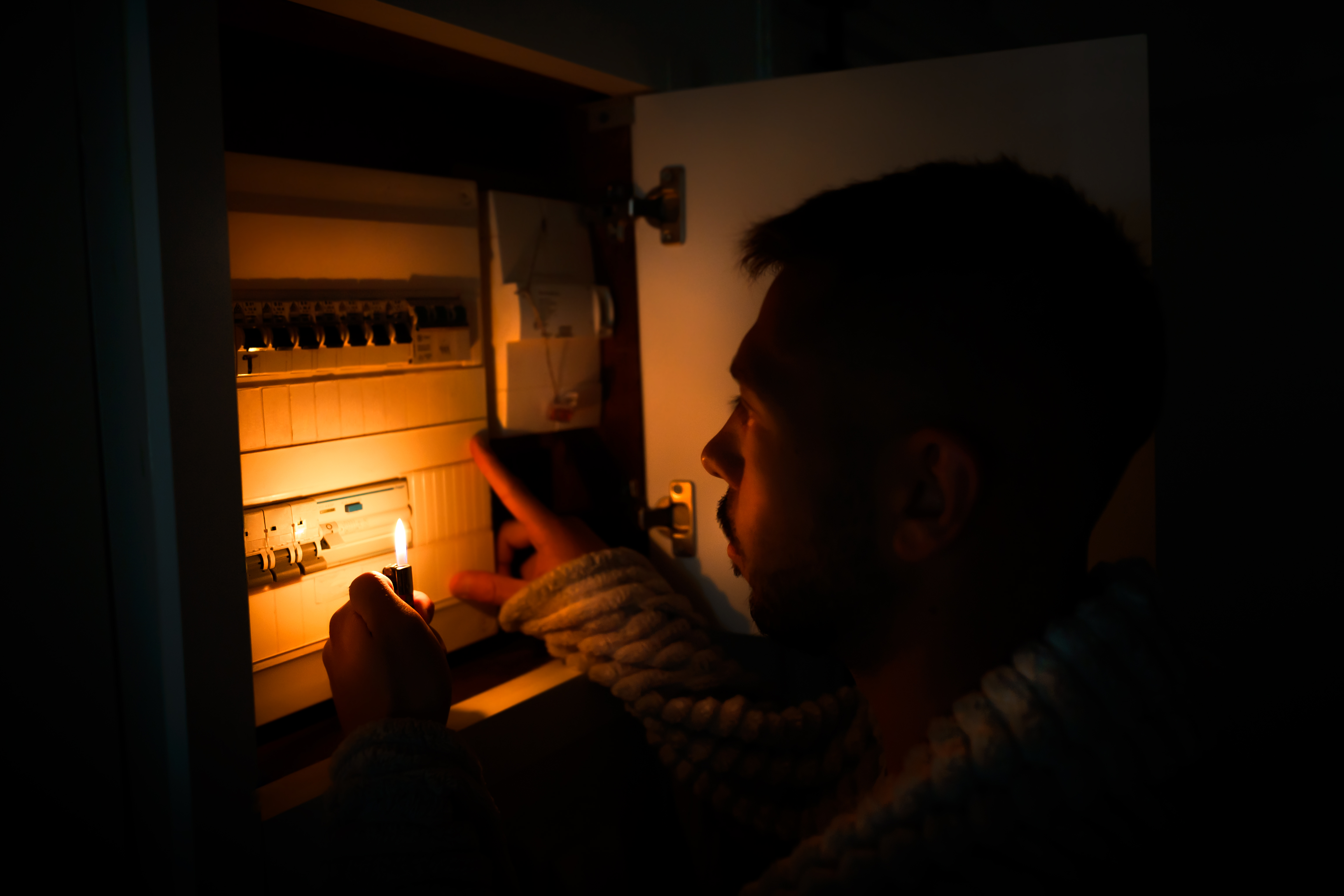
When energy systems fail, the effects ripple through families, communities, and businesses. Across Europe, shortages and price spikes have disrupted daily life in ways that touch every part of society.
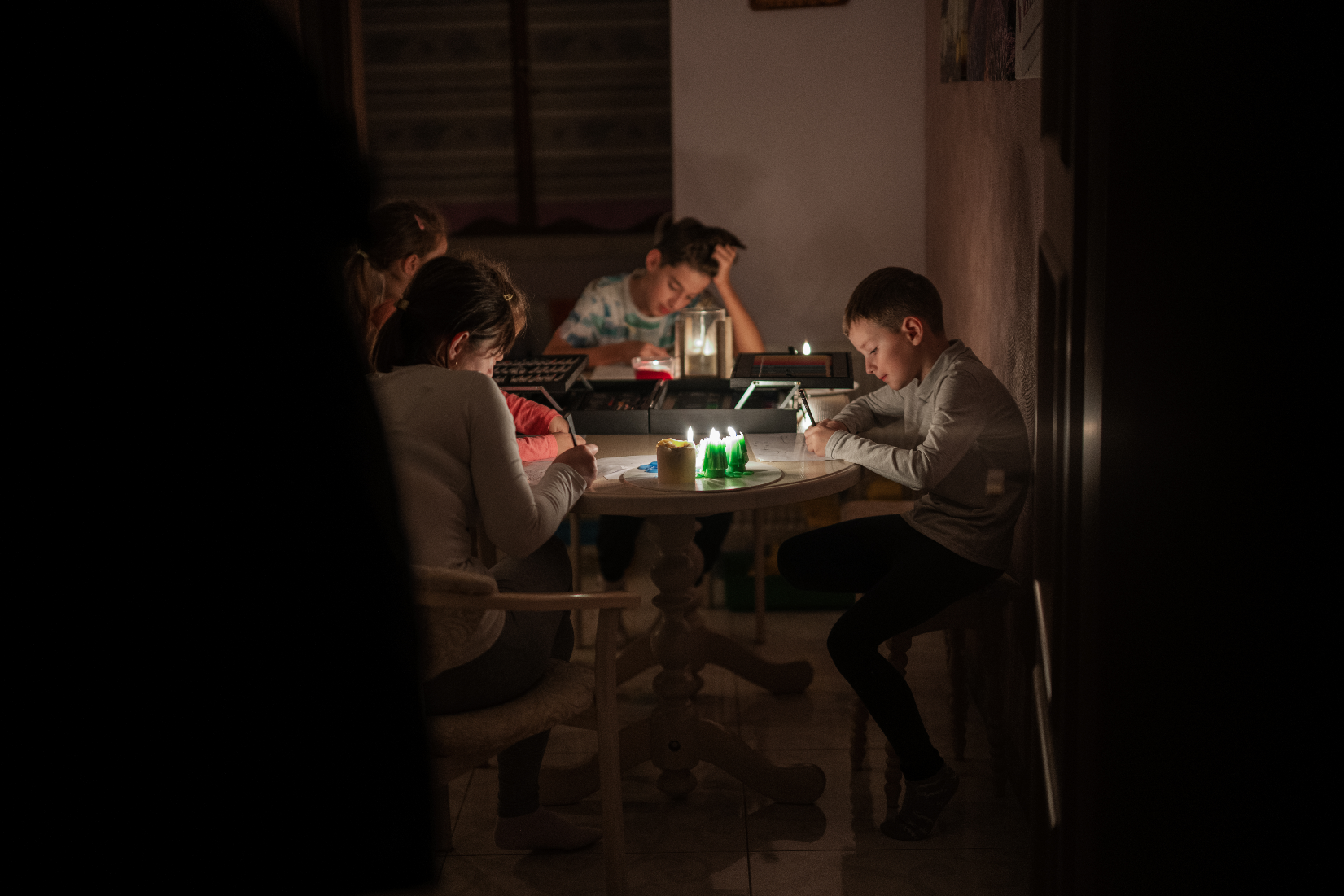
- Families left in the cold: In Ukraine, millions lost heat during sub-zero winters and had to rely on shelters or makeshift solutions.
- Hospitals under strain: Power outages pushed critical facilities onto backup generators, putting vulnerable patients at risk when fuel supplies ran low.
- Travel and commerce disrupted: In Spain and Portugal, blackouts stranded travellers as airports, subways, and traffic systems shut down for hours.
- Soaring costs for households: In Germany, utility bills climbed to historic highs, forcing families to cut back on other essentials just to afford heat and electricity.
- Businesses under pressure: Rising energy costs have eroded margins for small businesses across Europe, with some forced to shut down entirely.
The lesson for Canada is clear: Any policy-driven shift subsidized by government runs the risk of greatly affecting our domestic energy security, affordability, and resilience.
Canada’s energy edge
While Europe continues to struggle with shortages and blackouts, Canada is in a much stronger position. Our natural gas advantage gives us security, affordability, and room to innovate in ways many countries can’t match.
-
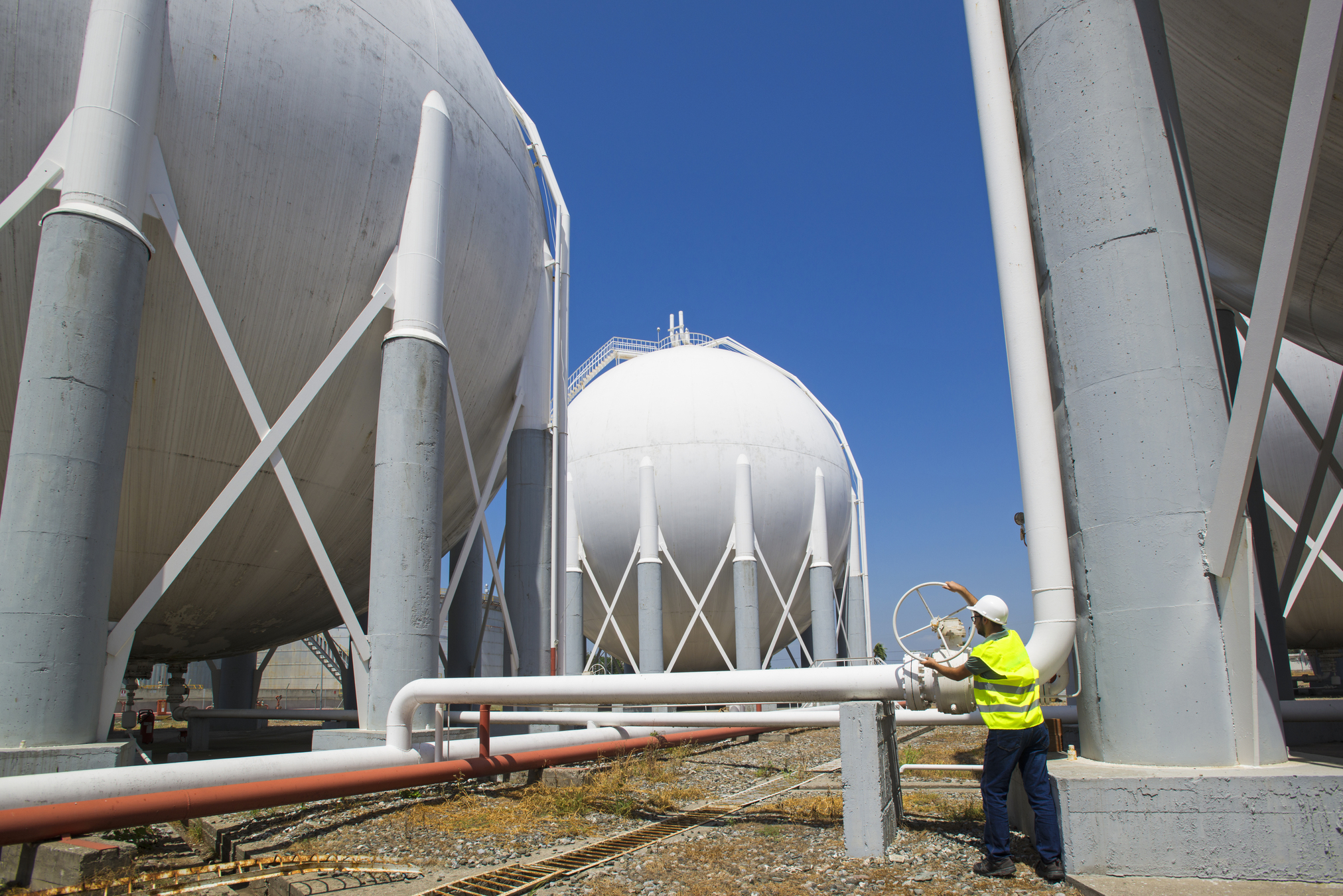
Homegrown infrastructure: Nearly 600,000 km of pipeline and over a trillion cubic feet of storage — Canada has one of the world’s largest, most reliable delivery systems. This helps ensure Canadians have energy when they need it most.
-
Energy independence: Unlike Europe, Canada has a wealth of energy resources and is largely protected from energy being used as a political tool against us.
-
Affordability: Natural gas remains cheaper than electricity, lowering household bills and keeping Canadian businesses competitive.
-
Reliability: Underground storage and delivery mean gas keeps flowing during storms, cold snaps, and outages, when electricity often struggles most.
- Innovation: Renewable natural gas (RNG), hydrogen blending, and carbon capture are already being integrated into existing systems, showing Canada can cut emissions while maintaining energy security.
Canada’s energy edge comes from combining what other countries often lack: abundant resources, secure infrastructure, affordable delivery, and ongoing innovation. Protecting these strengths will be critical as energy demand grows.
The risk of following Europe’s path
Canada’s natural gas advantage sets us apart, but it is not something we can take for granted. The choices we make now will determine whether we continue to enjoy reliable, affordable energy or face the same challenges Europe is struggling with today.
One concern is the push to ban natural gas in new buildings, which would force households and builders onto an all-electric system, and in the process, strain an electric grid that was never designed to handle Canada’s winter heating demand. That shift would raise construction costs, increase monthly bills, and reduce choice for homeowners.
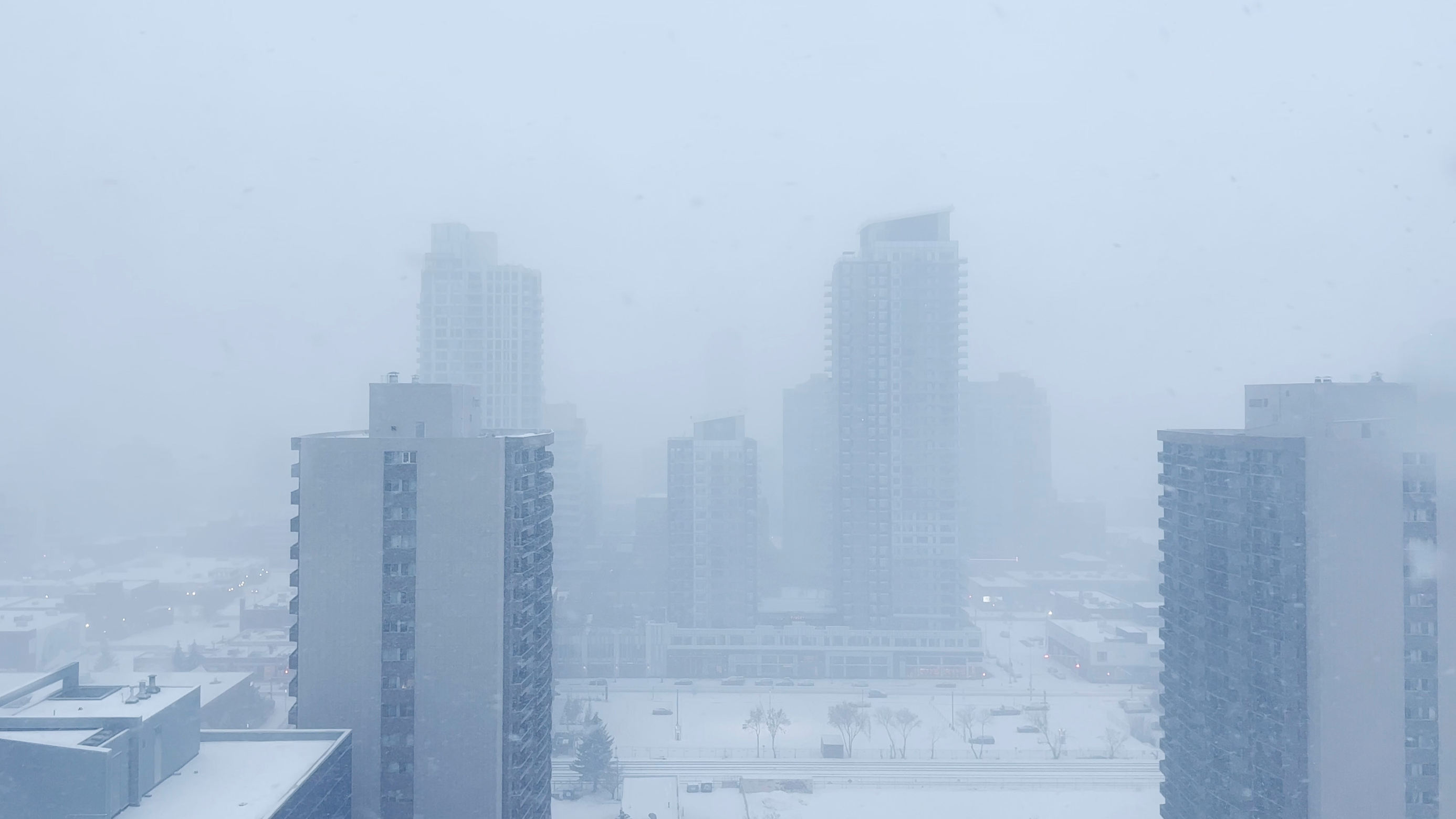
Recent cold snaps have shown how vulnerable the grid is during peak demand. Without natural gas, Canadians risk blackouts, higher costs, and reduced reliability when energy is needed most.
Finally, dismantling Canada’s natural gas infrastructure would mean losing decades of investment that cannot easily be replaced. Our pipelines, storage, and delivery systems are a strategic advantage.
Europe has already shown what happens when policy moves too far, too fast without balancing security, affordability, and sustainability. Canada has the opportunity to avoid those mistakes by protecting the strengths we already have.
Turning Canada’s energy into climate leadership
Canada accounts for only a small share of global greenhouse gas emissions. Even if we were to eliminate natural gas entirely, the effect on worldwide totals would be negligible. The larger question is how Canada can use its resources and expertise to make a bigger difference beyond our borders.
Consider the scale:
- Canada produces about 1.5 percent of global emissions.
- China produces more CO₂ in 36 hours than Canada does in an entire year.
- Coal produces more than 15 billion tonnes of CO₂ worldwide each year, mostly in Asia.
Canada’s greatest opportunity is helping the world reduce reliance on coal and other higher-emission fuels.
Our responsibly developed natural gas can do exactly that. By exporting liquefied natural gas to countries still relying heavily on coal, Canada can help cut global emissions more effectively.
This is not about choosing between the environment and the economy. Leadership means recognizing that Canada can strengthen its own energy system while also helping the world transition to lower-emitting fuels at scale. That is how we turn our energy advantage into real climate progress.

Protecting Canada’s energy future
Natural gas is a backbone of Canada’s energy system: supporting affordability, reliability, and innovation.
Europe’s experience shows what can happen when energy policy ignores reality. Blackouts, soaring costs, and weakened competitiveness are the risks of moving too far, too fast without ensuring security and balance.
Canada has the infrastructure, resources, and innovation to lead. By protecting our natural gas advantage and building on it wisely, we can keep energy affordable at home while helping the world transition to cleaner fuels.
The choice is clear: Canada must protect what makes us strong and build on it for the future.
Take action
Energy security affects everyone. Here’s how you can help protect Canada’s natural gas advantage:
- Write to policymakers: Tell them you support energy choice, security, and innovation.
- Share this blog: Help more Canadians understand what’s at stake.