As energy security and sustainability become increasingly important, Indigenous communities in Canada are emerging as leaders in shaping the country’s energy future.
Today, Indigenous communities are key players in Canada’s energy developments, contributing as proponents, managers, and owners of projects across the natural gas value chain—from production and transmission to utility distribution assets, liquefied natural gas (LNG) export facilities, and gas storage. These projects strengthen Canada’s economy by enhancing its investment appeal, employment opportunities, and energy security.
This leadership comes at a critical time when Canada and the world urgently need affordable, reliable, and sustainable energy. With both domestic and global demand for natural gas on the rise, Canada is uniquely positioned to meet these needs, thanks in part to the growing involvement of Indigenous communities. Their participation fosters meaningful reconciliation through economic empowerment, resource control, and self-determination, while also enhancing energy security for consumers at home and abroad.
Here are a few notable examples of Indigenous communities in Canada taking ownership of LNG projects.
Cedar LNG: Indigenous majority ownership and low-emission LNG exports
The Haisla Nation, located on B.C.’s north coast, owns over 50% of Cedar LNG, making it the first Indigenous majority-owned energy project in the world. Following the June 25, 2024 Final Investment Decision (FID), this $2.4-billion floating export terminal is now under full construction and on track to load its first cargoes to Asian markets by late 2028.
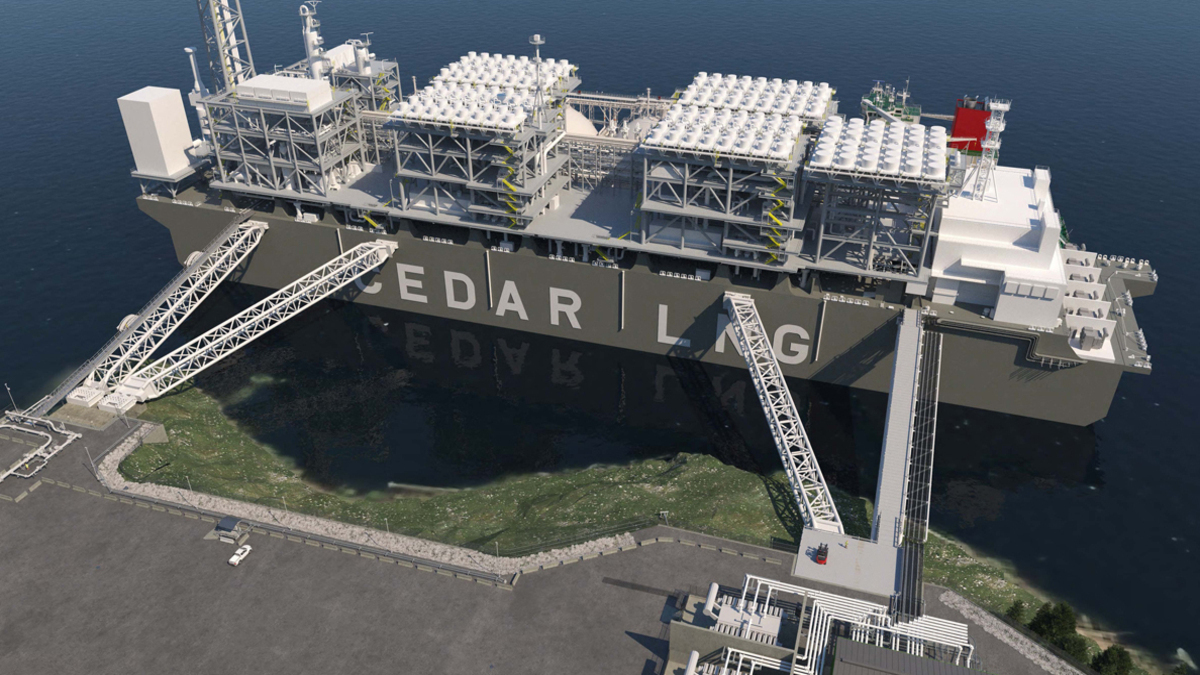
Cedar LNG is committed to delivering one of the lowest-emitting LNG supplies globally by using advanced technologies designed to minimize environmental impact.
Ksi Lisims LNG: Advancing sustainable energy exports from B.C.’s north coast
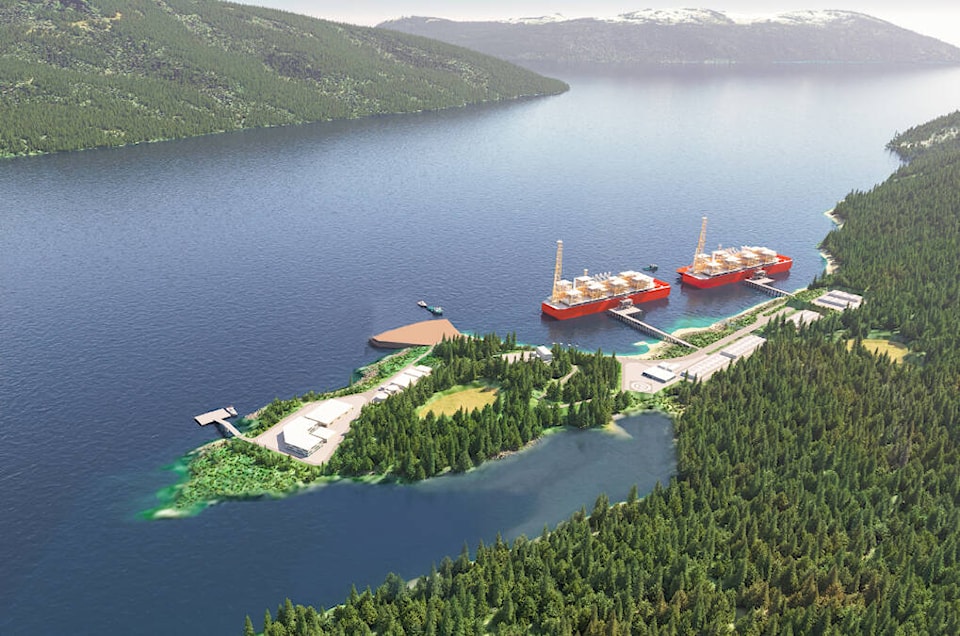
The Ksi Lisims LNG project is a proposed $10-billion natural gas export initiative located near the Alaska border on B.C.’s north coast. Jointly owned by the Nisga’a Nation, Rockies LNG, and Western LNG, the project aims to supply natural gas to global markets. Commercial agreements signed in 2025 anticipate operations beginning in late 2028–29, pending FID.
Woodfibre LNG: Indigenous regulatory leadership in action
The Woodfibre LNG project, located near Squamish, B.C., is under construction with strong Indigenous oversight. The Squamish Nation developed and implemented an independent environmental review process for the project, which the Province of B.C. accepted as a substitute for its own. This landmark decision created Canada’s first legally binding Indigenous-led environmental assessment and set out the conditions for the Nation’s support. Woodfibre is on track to begin exports by 2030.
Indigenous engagement in natural gas:
Upstream, midstream, and downstream pathways for economic reconciliation
By combining traditional values with innovative solutions in upstream (exploration and production), midstream (transportation and processing), and downstream (distribution and sales), Indigenous–industry partnerships mark a new era of collaboration, one that ensures economic prosperity, energy security, and respect for the environment.
Upstream involvement:
Expanding Indigenous ownership and environmental stewardship
For decades, First Nations lands have been sites of natural gas exploration, drilling, and extraction. Initially, the Crown managed these activities, collecting royalties on behalf of producing nations and holding them in trust. Today, governance is shared among Indian Oil and Gas Canada (IOGC), oil and gas companies, and First Nations through joint agreements. The Indian Resource Council (IRC) advocates for the interests of producing nations, with 33 First Nations actively producing oil or gas and another 17 hosting historical infrastructure.
Indigenous nations participate in upstream production beyond reserve-based activities by owning and operating their oil and gas exploration and development ventures. Frog Lake Energy Resources Inc., owned by Frog Lake First Nation (Treaty 6), is a notable example of a successful nation-owned business in the sector, with a strong commitment to responsible environmental stewardship.
Their latest, Kanata project, focuses on generating electricity from natural gas using advanced technology that combusts natural gas in oxygen, allowing for CO₂ to be sequestered underground. Additionally, Indigenous involvement extends to oilfield services. Along the same lines is Gitga’at Development Corp, which provides joint ventures, investment opportunities, project consulting, and expertise for business partners and investors seeking to develop a project on the north coast of B.C.

Midstream involvement:
Building equity and strengthening community partnerships
Indigenous participation in the midstream energy sector has grown significantly in recent years. In 2021, eight First Nations and Métis communities acquired a 15% equity stake in the Northern Courier pipeline system. In September 2022, 23 First Nations and Métis communities secured an 11.57% interest in seven Enbridge pipelines in the Athabasca region.
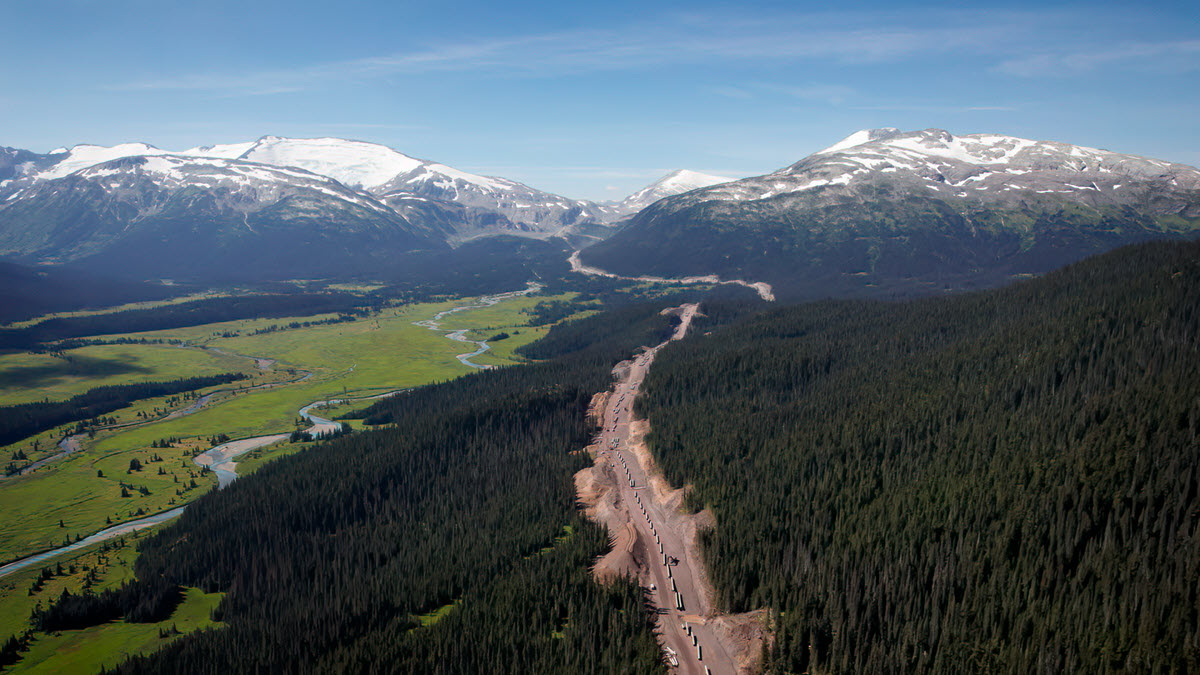
The Coastal GasLink (CGL) pipeline is another example of Indigenous involvement in midstream energy infrastructure. This 670-km project, built by TC Energy, runs from Dawson Creek to Kitimat in northern B.C. Construction. CGL has received strong support from Indigenous communities along its route and has prioritized Indigenous employment and procurement throughout its development.
Downstream involvement:
Empowering communities with energy security and infrastructure
Indigenous involvement in the natural gas sector, particularly in LNG terminal construction, marks a pivotal shift toward Indigenous nations becoming partners and owners of major energy infrastructure across Canada. A notable example is the early partnership between Stz’uminus First Nation and Cowichan Tribes in FortisBC’s Mount Hayes LNG facility, which represented one of the first Indigenous equity investments in the LNG sector.
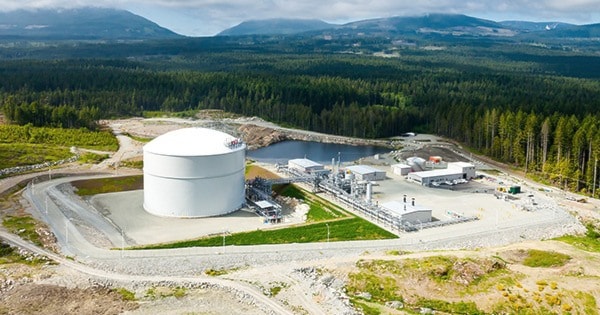
Beyond LNG terminals, Indigenous nations are also working to enhance their energy security by expanding local natural gas distribution. Although natural gas accounts for about 40% of Canada’s energy needs and is the most affordable heating source for many, several Indigenous communities remain unserved by the gas pipeline system. Programs such as Ontario’s Natural Gas Expansion Program have been instrumental in addressing these challenges, connecting communities like Red Rock First Nation and the Mohawks of the Bay of Quinte to affordable, reliable natural gas. Similarly, in B.C., the Wei Wai Kum and Tsou’ke Nations gained access to natural gas in 2022, improving energy affordability for both residential and commercial needs. These initiatives reflect the ongoing progress toward a more secure energy future for Indigenous communities.
Fostering environmental stewardship and sustainability
In addition to contributing to energy projects, Indigenous nations are taking a direct role in environmental regulation and assessments. The Squamish Nation, for instance, developed and implemented an independent environmental review process for the Woodfibre LNG project. The province of British Columbia accepted this review as a substitute for its own processes, leading to Canada’s first legally binding Indigenous-led environmental assessment. This process also set out conditions for the nation’s support of the project, marking a significant step toward Indigenous leadership in environmental stewardship.
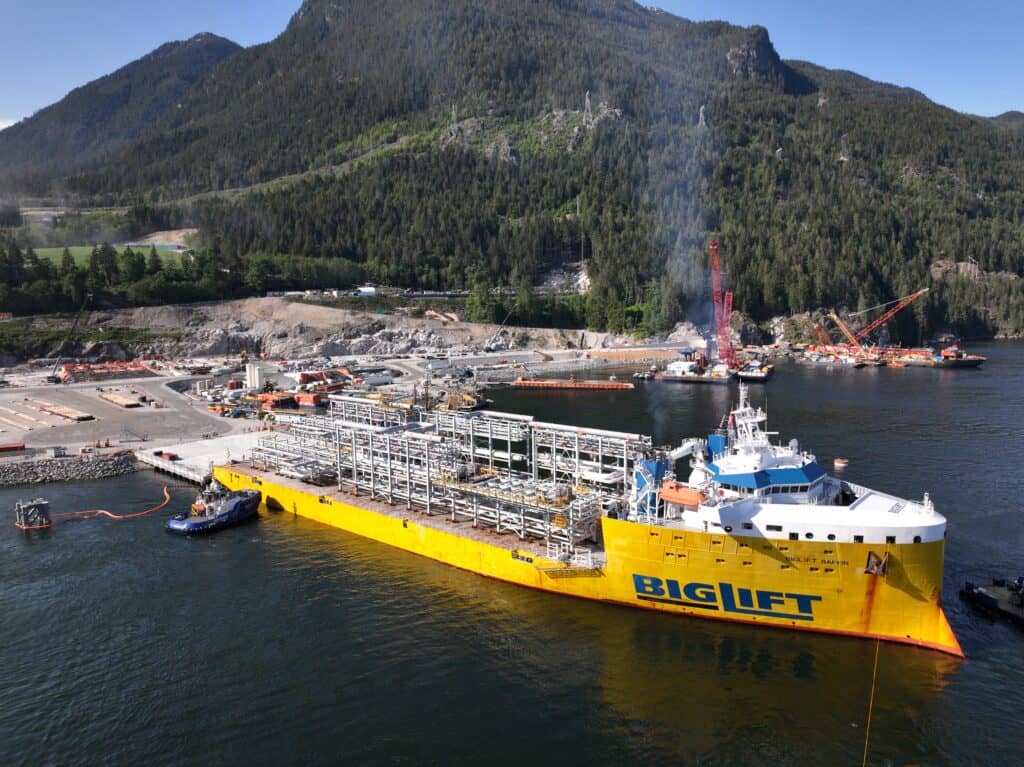
Image source: Woodfibre LNG
The path forward: Building stronger futures through Indigenous–industry collaboration
Economic reconciliation is advancing through meaningful partnerships in major natural gas projects. This evolving dynamic is reshaping relationships among Indigenous communities, governments, and industry, ensuring Indigenous nations play a central role in the development process. These collaborations are driving job creation, work contracts, project equity, and community capacity building, all while fostering regulatory innovation.
Indigenous participation in natural gas projects is creating positive, rapid change for many communities. It provides a platform to combat poverty, support cultural and community goals, and fosters broader economic development. Not only are Indigenous communities securing their long-term economic futures, but they are also contributing to the broader goal of energy security for all Canadians and providing reliable, affordable, and acceptable energy beyond our borders.
If you share our belief in the importance of natural gas for advancing economic reconciliation in Indigenous communities, we encourage you to reach out to your elected officials directly using our easy letter-writing tool.